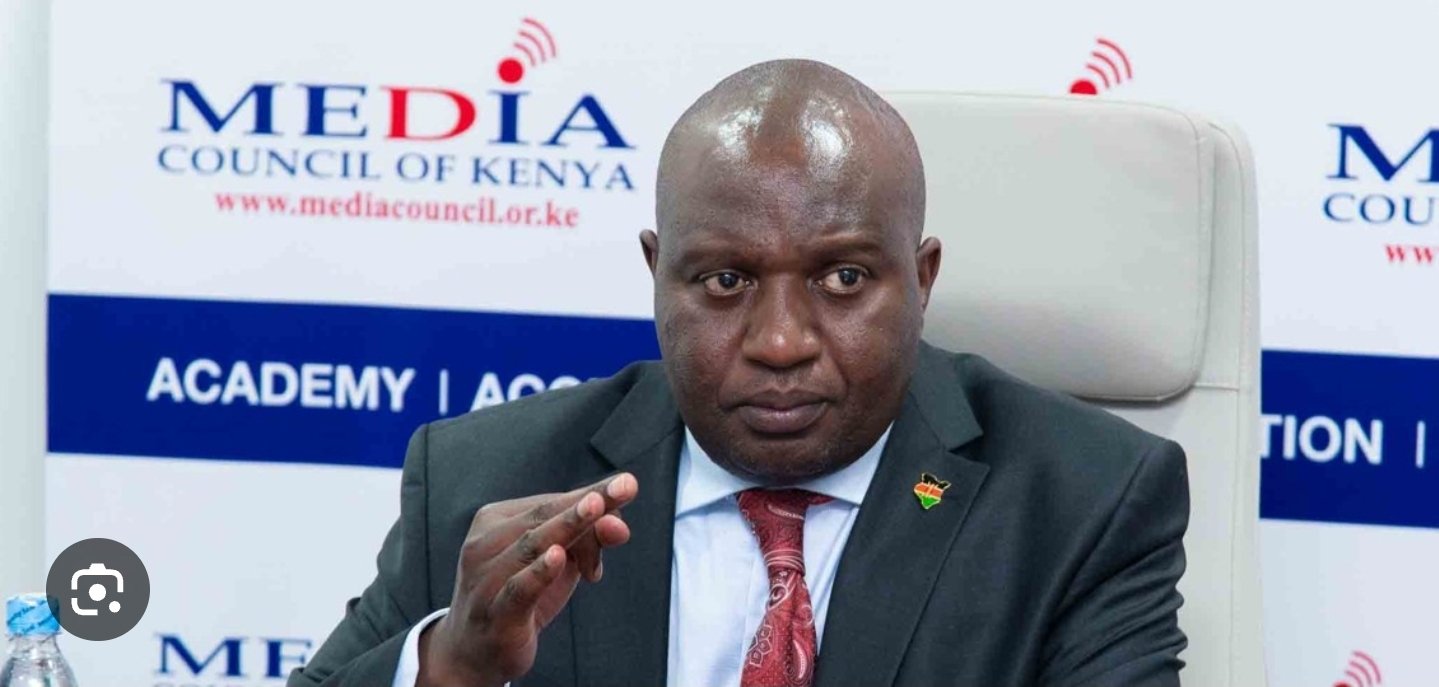
The Media Council of Kenya has issued a firm directive to broadcasters and publishers, calling for strict verification of nutrition and dietetics experts following a radio broadcast that sparked public outrage and triggered legal scrutiny.
In a media advisory released on Friday, February 6, 2026, the Council said it had received a formal complaint from the Kenya Nutritionists and Dieticians Institute, raising concern over the growing practice of media platforms hosting individuals who claim to be nutrition experts without proper checks on their professional status.
The advisory follows the airing of a statement on a local radio station titled ‘Ugali is the most useless food that is out there’, which was attributed to a person presented as a nutrition expert identified as Issa Habib. The institute strongly condemned and disowned the remarks, saying they did not reflect professional guidance on nutrition.
According to the Media Council, investigations into the broadcast have already begun under Cap 253B, the Nutritionists and Dieticians Act. The Council warned that both media houses and individuals featured as experts could face legal action if proper verification is ignored.
“The Institute, which is mandated by Parliament to set standards and ensure quality on all matters of nutrition and dietetics, has noted that several media enterprises are engaging experts to speak to the public without consulting KNDI regarding professional qualifications of such persons,” the statement said.
The Council noted that nutrition and dietetics are regulated health professions and warned that incorrect information in this area can place the public at risk. It urged journalists, editors and producers to treat content on health and nutrition with added care.
“Effective immediately, media enterprises are hereby advised to engage duly registered persons as registered by KNDI on matters nutrition and dietetics,” the advisory stated.
The Council further cautioned that engaging individuals who are not registered with KNDI violates Sections 33 and 36(b) of the Nutritionists and Dieticians Act. Such breaches, the notice said, may expose both the guest and the media outlet to legal disputes.
Media houses were encouraged to use official verification channels provided by KNDI to confirm the registration status of anyone presented as a nutrition or dietetics expert before airing interviews or publishing related content.
The Media Council stressed that public trust depends on accurate and responsible reporting, especially in specialised fields that directly affect health and wellbeing. It said failure to observe professional standards can damage credibility and mislead audiences.
The advisory forms part of the Council’s wider role in promoting responsible journalism while safeguarding press freedom. The Council noted that editorial independence must be matched with respect for the law, accuracy and professional conduct.
By issuing the directive, the Media Council signalled a tougher stance on expert commentary in the media, warning that weak verification practices could attract both legal and reputational consequences.
The Council said it remains available to support media houses on compliance and urged them to treat the advisory as mandatory, as scrutiny around health-related content continues to grow.































Comments
Sign in with Google to comment, reply, and like comments.
Continue with Google